Storms, Snowmelt and Lehi
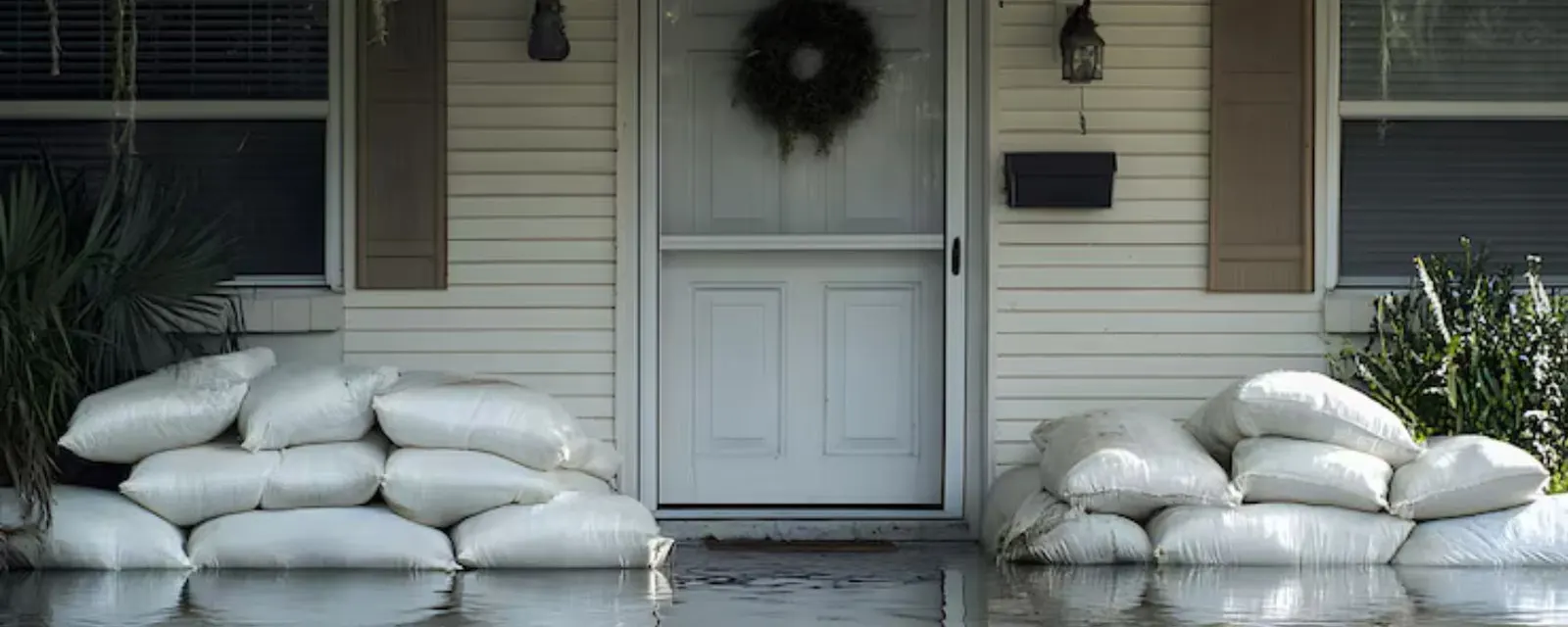
KSL reported in June 2010 that an irrigation canal near Lehi overflowed, sending water into homes near the canal, with a resident quoted calling it the worst flooding in 20 years. The city cut roads to channel the water.
The Lehi Free Press reported in March 2023 that the city began a flood mitigation plan after Utah's snowpack reached 23.2 inches of snow water equivalent, the highest in nearly 40 years. The city advised clearing gutters and storm drains and checking sump pumps and French drains, and opened sandbag sites.
The Utah Insurance Department's flood FAQ, updated in 2026, says basic homeowners and renters policies do not cover losses due to flooding and that flood insurance must be bought as a separate policy.
Sources: KSL (news, June 2010), Lehi Free Press (local news, March 2023), Utah Insurance Department flood FAQ (state agency).
How Storm Water Gets In
- A window well that fills faster than it drains
- A downspout that dumps water beside the foundation
- Soil that slopes toward the house
- Snowmelt pushing groundwater against basement walls
- A sump pump that fails or loses power
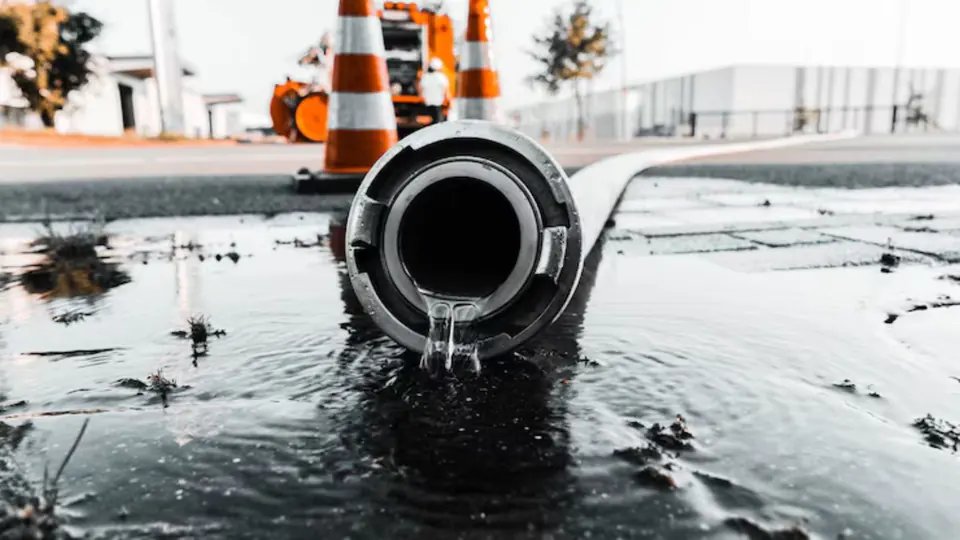
Rain falling on a roof or a yard is not the whole story. How the water moves around the house matters most. A short list of failures explains most of the storm calls.
Roof, Windows and Window Wells
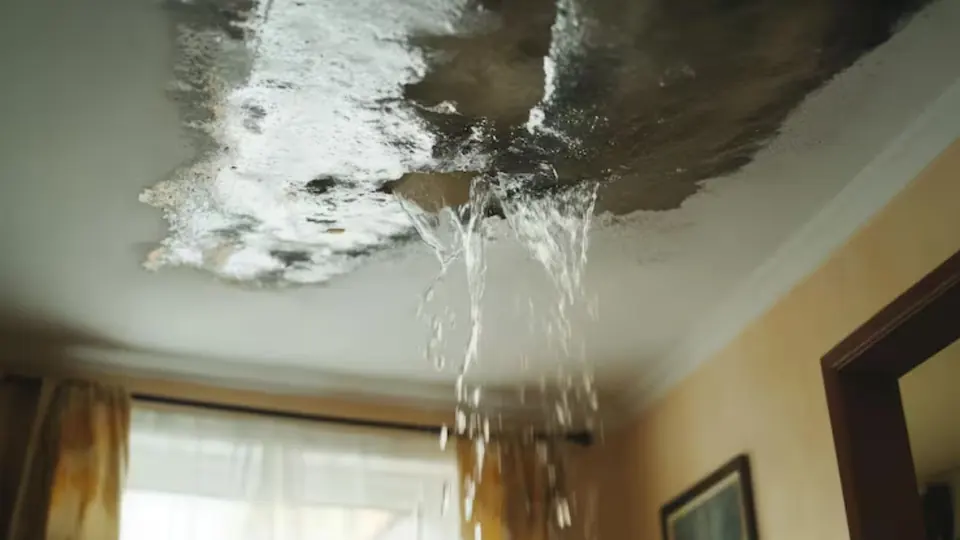
Wind pushes rain sideways under flashing and around windows. A roof edge or a skylight curb can let water into the wall. Window wells that lack a cover or a drain can fill and push water through the glass or the frame.
If water is coming through the roof, see roof leak water damage for the interior steps. If it is coming up from below, the basement steps in this page apply.
Safety Steps: During and After a Storm
- Stay out of a flooded basement if water is near outlets, the panel or appliances.
- Do not wade through water you cannot see through, since it may be electrified or contaminated.
- Turn off the main breaker only if you can reach it from a dry spot.
- Do not run a pump powered through a cord that sits in water.
- Photograph the water line and the damage, then call.
Water coming in from the storm?
Stay safe, then call. Dispatch is open 24/7 and a crew can start the plan on the phone.
Call (385) 988-9410What the Cleanup Includes
Extract
Pumps and wet vacuums remove standing water.
Remove
Carpet, pad, insulation and board that cannot dry are removed.
Clean
Surfaces are cleaned, and storm water that picked up soil or sewage is treated carefully.
Dry and log
Air movers and dehumidifiers run with daily readings.
ANSI/IICRC S500 is the industry reference crews use for water categories. Storm water is often not clean water, since it can carry soil and contaminants.
What Changes the Cost
- Water depth and how far it spread
- Whether the water was clean, gray or contaminated
- Materials that must be removed and disposed of
- Access and the number of rooms
- Days of drying and visits for readings
Insurance and Storm Water
The Utah Insurance Department lists wind and wind-driven rain among typically covered perils. It lists interior storm water damage when the roof and walls are undamaged, flood damage and backed-up drains or sewers as generally not covered.
Call your insurer, photograph the water line and the point of entry, and keep receipts. Flood policies are separate.
Prevention and Mistakes to Avoid
- Clear gutters and extend downspouts before storms
- Test the sump pump and keep a battery backup if you can
- Cover and drain window wells
- Do not run electrical equipment in standing water
- Do not wait for water to drop before calling
Large events fall under flood damage restoration. See crawl space water damage for wet crawl spaces. We serve Eagle Mountain and Draper, where storm runoff is a known concern.
Common Questions
Yes. Dispatch never closes, and same-day service is offered when crews are free after a storm. We do not promise an arrival time.
Not always. It can carry soil and contaminants. Wear protection or wait for a crew.
Wind-driven rain may be covered. Flooding is generally not, and needs a separate policy.
Call for extraction and drying, and have a plumber check the pump before the next storm.
As soon as possible. The EPA notes mold usually does not grow if wet items are dried within 24 to 48 hours.