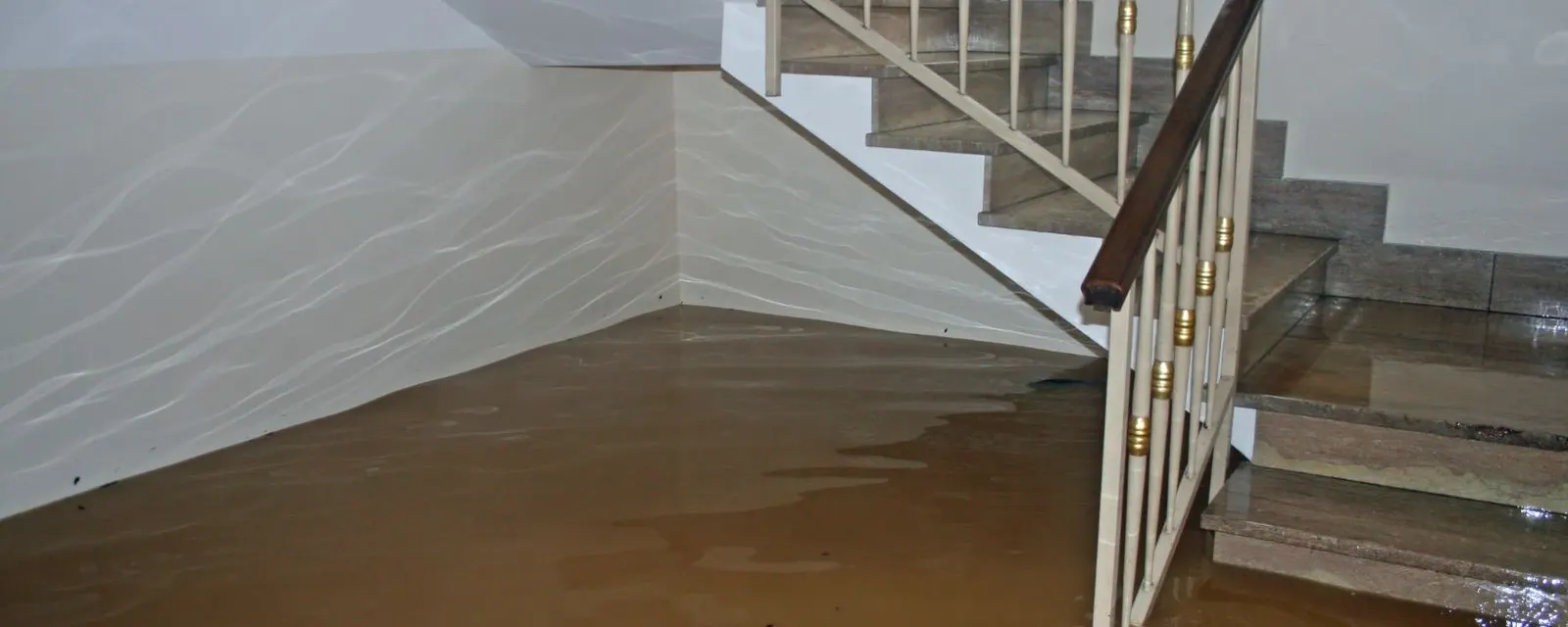
Sewers and Responsibility in Lehi
Lehi City's streets and utilities brochure says the lateral line from a home to the main is the owner's responsibility and that the city is not responsible for damage from plugged laterals caused by roots, grease or other material. A backup from your own lateral is therefore usually yours to fix.
The Timpanogos Special Service District began treating wastewater in 1979 for American Fork, Pleasant Grove, Lehi and Alpine, according to its history page. The district says each city maintains its own collection system until flow reaches district lines.
The Utah Insurance Department's home claims page says water from backed-up drains or sewers is not covered under most standard homeowners policies. Ask your insurer whether you have a sewer backup endorsement.
Sources: Lehi streets and utilities brochure (city), Timpanogos Special Service District history and about pages (special district), Utah Insurance Department (state agency).
Safety First With Sewage
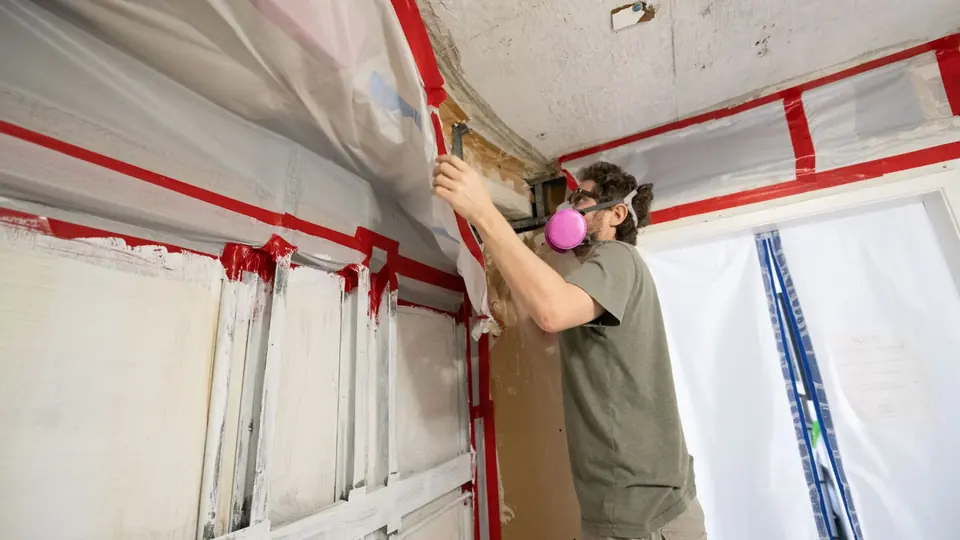
The EPA says flood and sewage water can bring microorganisms into buildings and recommends an N-95 respirator, goggles without vent holes, gloves, long sleeves, pants and boots when cleaning. Children, pets and anyone with health concerns should stay out.
Do not eat, drink or smoke near the area. Wash your hands with soap and clean water after any contact.
- Keep everyone out of the affected area.
- Stop using water in the house, since every flush or drain can add to the backup.
- Turn off power to the area if water reached outlets and it is safe to reach the breaker.
- Do not use a household vacuum.
- Photograph the area, then call a crew and your insurer.
Sewage on the floor right now?
Stop using water, keep people out and call. Dispatch is open 24/7.
Call (385) 988-9410Why Drains Back Up
- Roots, grease or wipes blocking the lateral
- A collapsed or offset section of pipe
- A blockage in the city main
- Heavy runoff overloading the system
- A failed pump or ejector in a basement bathroom
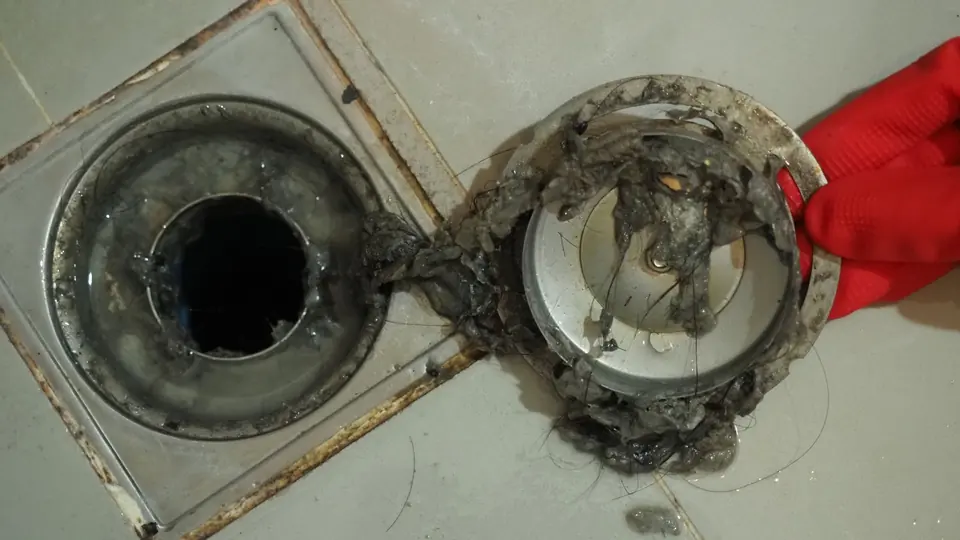
The Timpanogos district lists fats, oils and grease among items not to pour down drains and says grease solidifies on pipe walls and obstructs flow. A plumber with a camera finds where the blockage is.
How Sewage Cleanup Works
Contain
The area is isolated and people are kept out. Protective gear is worn.
Extract
Pumps and wet vacuums remove the liquid, and affected areas are not walked through.
Remove
Carpet, pad, drywall and other porous materials that soaked up sewage are removed and bagged.
Clean and disinfect
Hard surfaces are cleaned with detergent and then treated with EPA-registered disinfectants according to the label.
Dry and verify
Air movers and dehumidifiers run until readings match dry reference material.
The EPA says to throw away materials that soak up a lot of water and cannot be cleaned and dried. ANSI/IICRC S500 is the industry reference crews use for water categories.
What Gets Saved and What Gets Thrown Out
Hard, non-porous items such as glass, metal and sealed tile can usually be cleaned and disinfected. Carpet, padding, drywall, insulation, mattresses and upholstered furniture that soaked up sewage are usually discarded.
A crew lists what was removed so you have a record for your insurer.
What Changes the Cost
- The volume of sewage and the area it covered
- How much carpet, pad and drywall had to be removed
- Whether the source is fixed so cleanup can finish
- Protective gear, containment and disposal requirements
- Days of drying and the number of visits for readings
Insurance and Sewage Backup
Because most standard policies exclude backups, a sewer backup endorsement may be the only coverage. Flood policies, according to the Utah Insurance Department, cover sewer or drain backup only when it is directly caused by an active surface flood.
Call your insurer, document everything and keep receipts for hotel stays and cleanup.
Prevention and Mistakes to Avoid
- Do not flush wipes, even those labeled flushable
- Do not pour grease down any drain
- Do not try to wash sewage away with a hose indoors
- Do not run the dishwasher or washer during a backup
- Have the lateral cleared and inspected if backups repeat
Large outside flooding is covered on flood damage restoration, and the wider process on emergency water removal. We serve Saratoga Springs and Draper as well.
Common Questions
Yes. The line is open day and night, and a crew can come the same day when one is free. Arrival times are not promised.
Lehi City's brochure says the owner is responsible for the lateral from the home to the main.
Usually not. Porous materials that soaked up sewage are normally removed.
Most standard policies exclude it. Ask whether you have a sewer backup endorsement.
Keep out of the affected area. If the backup is large or the smell is strong, ask the dispatcher whether to stay elsewhere.