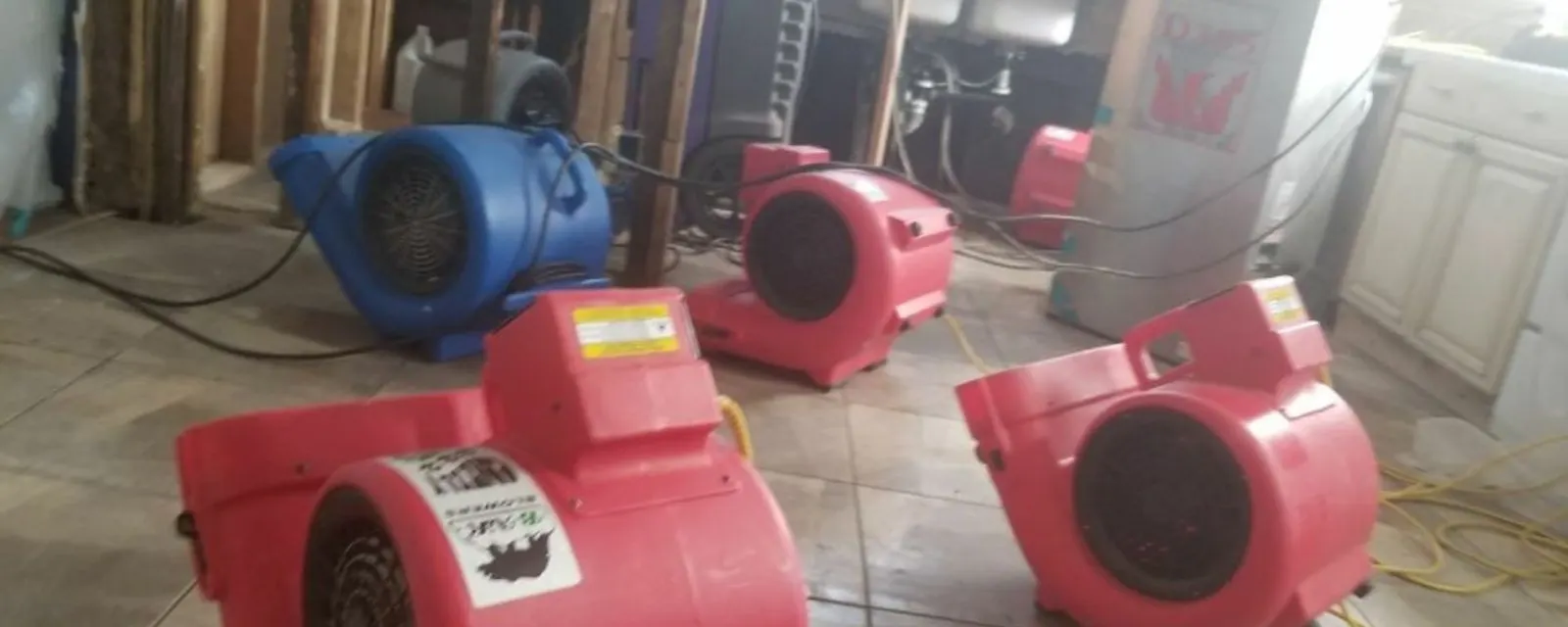
My Wall Is Wet, Now What?
You may not call it mitigation. You may say that a ceiling is dripping, a wall feels cold and damp, or the carpet squishes. Those are mitigation problems. Mitigation is the trade name for stopping the damage from growing while the building is still wet.
It starts with the source, moves to extraction, then to drying. It is not repair. Repair comes later, once the structure reads dry, and you can read about it on our water damage repair page.
When a Leak Is an Emergency
Treat any active leak, any water near the electrical panel and any sewage as an emergency. The line is open 24/7. Call, describe what you see, and a restoration professional tells you what to shut off. A same-day crew is possible when one is free, but we do not promise a time of arrival.
While you wait, close the main valve, move valuables, and turn off power to wet areas only if the panel is dry and easy to reach. If water is near outlets, stay out and call the utility or 911 first.
What Mitigation Includes
Stop the source
Shut-off, a temporary fix or a plumber call, so no new water arrives.
Extract
Pumps, wet vacuums or truck-mounted units remove bulk water.
Map moisture
Meters and thermal imaging show where water traveled behind finishes.
Dry
Air movers and dehumidifiers run, and daily readings guide the work.
Structural Drying: Why Equipment Matters
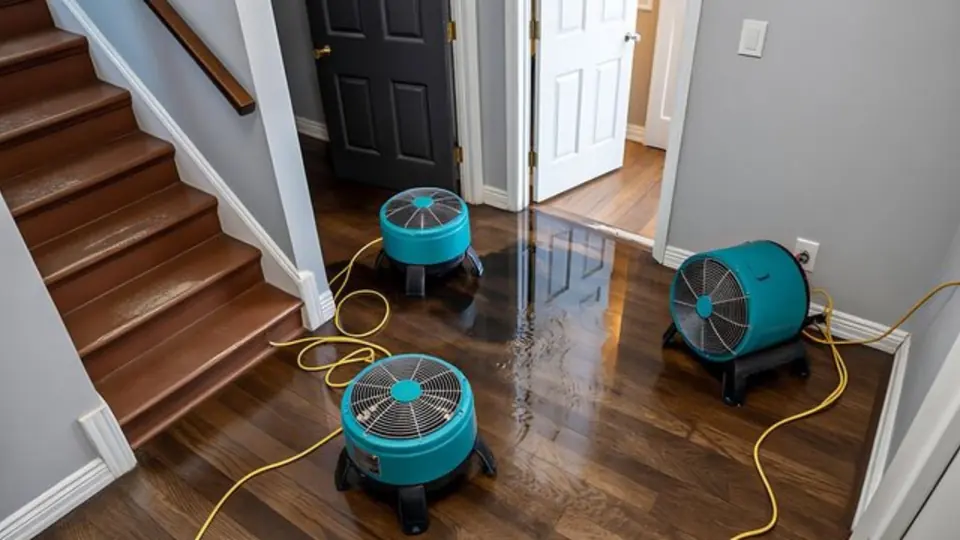
Air that moves is only half of drying. Drying works when wet materials release moisture into the air and a dehumidifier removes it, so the room stays dry enough to keep pulling moisture out. Air movers set the flow, and low-grain dehumidifiers manage the humidity.
In a wall cavity or under a floor, crews drill small holes or lift baseboards to push air where the water is. Moisture readings at the start, daily and at the end decide when equipment leaves. Callers sometimes ask about renting an air mover. Drying without readings is a guess, which is why mitigation is a service, not a rental.
How long does it take? Many jobs run several days. A small carpeted bedroom dries faster than a finished basement with wet walls, and Category 3 water adds removal before drying starts.
| Window | What is usually happening |
|---|---|
| Hour 0 to 4 | Source stopped, bulk water extracted, photos taken |
| Hour 4 to 24 | Moisture mapped, wet materials removed or opened, equipment set |
| Day 2 to 3 | Daily readings, equipment adjusted, wet contents sorted |
| After day 3 | Drying continues until dry standards are met, then repair planning starts |
Timelines vary by water category, materials and humidity.
Mitigation Versus Repair: Where One Ends and the Other Begins
Mitigation limits further damage. It covers shutting off water, extraction, removal of materials that cannot dry and the drying itself. Repair puts the building back, with drywall, paint, flooring and trim.
Keeping the two separate in your scope and invoice makes insurance conversations easier. It also lets you compare quotes for each stage on equal terms.
Daily Monitoring Is Part of the Job
Drying is not a set-it-and-leave job. A crew returns to read moisture, adjust equipment and decide whether a wall needs to be opened. The readings are recorded so the end of drying is a number, not an opinion.
Ask how often visits happen and who answers questions in between. A plan with clear check-ins is easier to trust.
What Mitigation Costs Depend On
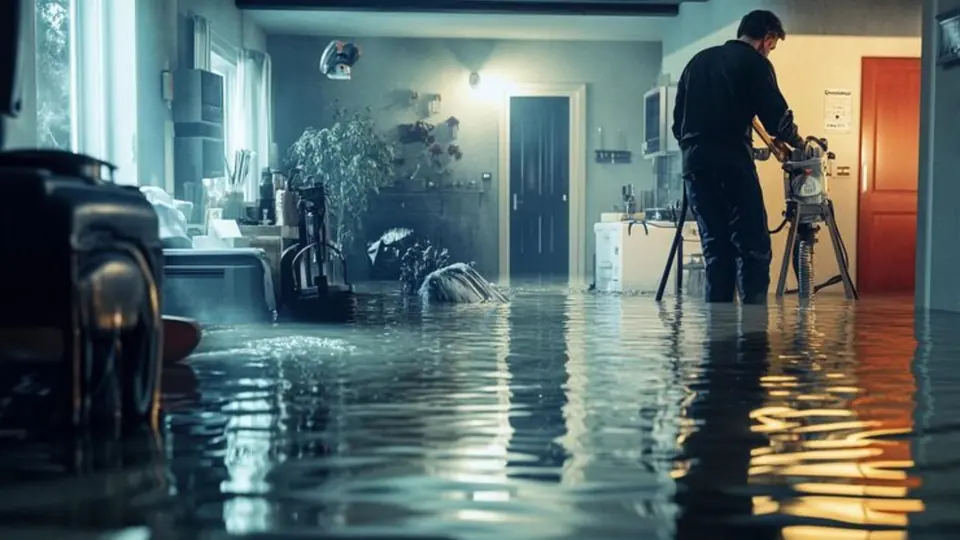
- Water category and how long the water sat
- Square footage and number of rooms affected
- Materials involved, from tile to hardwood to insulation
- Days of drying until readings reach standards
- Rebuild scope that follows
Want your real number?
Call, describe the leak and the rooms, and we explain how scope and price are set before any work begins.
Call (385) 988-9410Insurance often responds to sudden and accidental water damage and often does not respond to gradual leaks. Ask your insurer, and note that mitigation records help your claim.
Lehi Context for Drying
Lehi's Main Street Historic District, listed on the National Register, contains brick buildings from the 1890s through the 1920s, many with limestone foundations. The Lehi Roller Mills at 700 East Main Street, built in 1905 and 1906, has brick walls on a stone foundation.
Masonry and stone take on water slowly and give it up slowly, so a drying plan for a building like that runs longer than one for a newer drywall home. Tell us the age and the materials on the first call.
Source types: National Register of Historic Places records for the Lehi Main Street Historic District and the Lehi Roller Mills.
Common Questions
Yes. Dispatch is open 24/7. When a crew is free, same-day response is offered, and no arrival time is promised.
Mitigation stops the damage and dries the structure. Restoration is the wider term, including repair. Our flood damage restoration page covers larger losses.
We do not offer equipment rental. Equipment without moisture readings often leaves hidden wet spots, so we provide drying as a monitored service.
Moisture meters compare wall, floor and framing readings to dry reference materials. The crew records the numbers so you can see them.
Yes. See Eagle Mountain and Saratoga Springs.