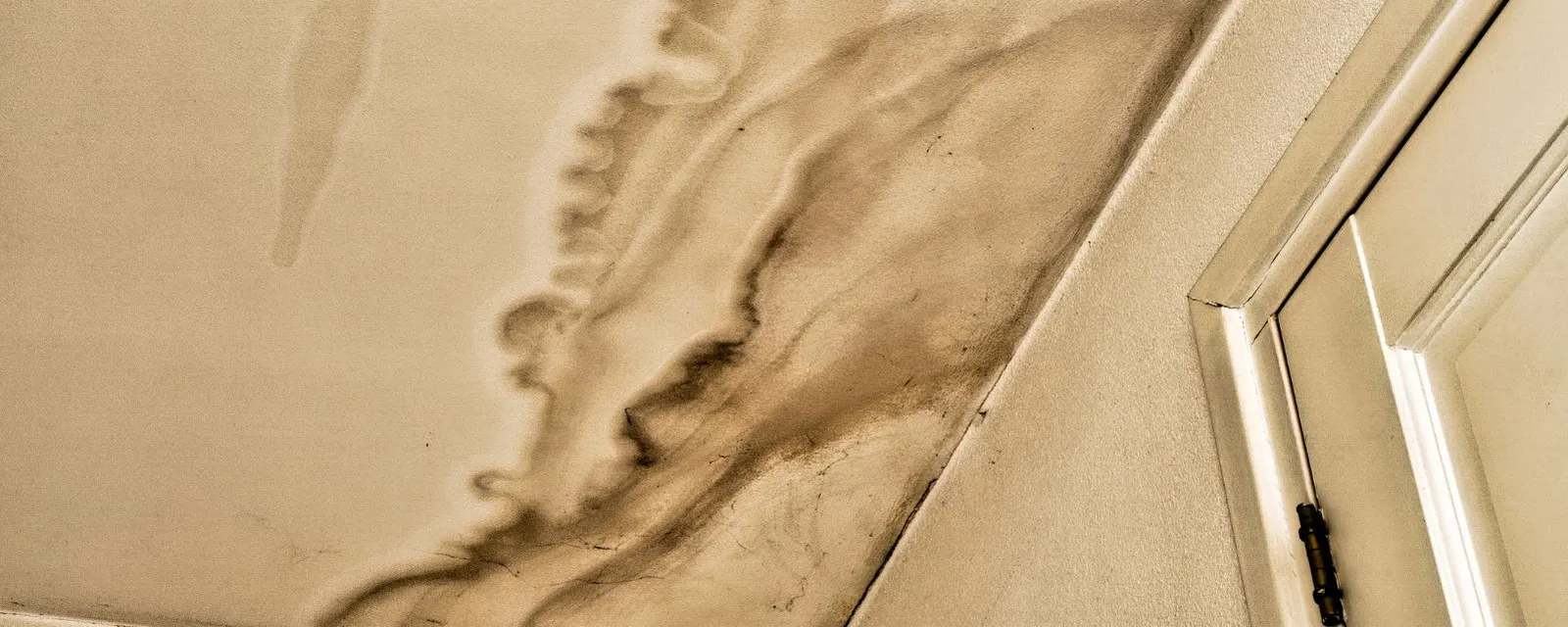
Snow, Wind and Roofs in Lehi
Lehi gets heavy winter snow and sudden spring melt, and both test roofs. The Lehi Free Press reported in March 2023 that Utah's snowpack had reached 23.2 inches of snow water equivalent, the highest in nearly 40 years, and the city began a flood mitigation plan that included advice to clear gutters and storm drains.
Much of Lehi is newer construction with low-slope sections, valleys and dormers where flashing can fail. Older roofs in the original town have had decades of freeze and thaw cycles on their seams and vents.
A University of Minnesota Extension guide, mirrored by the U.S. Department of Energy's Building America Solution Center, says ice dams form when parts of a roof are warmer than others, often because warm, moist air leaks into the attic. This is general cold-climate guidance, not a Utah study.
Sources: Lehi Free Press (local news, March 2023), University of Minnesota Extension and DOE Building America Solution Center (general guidance).
How Water Gets in Through a Roof
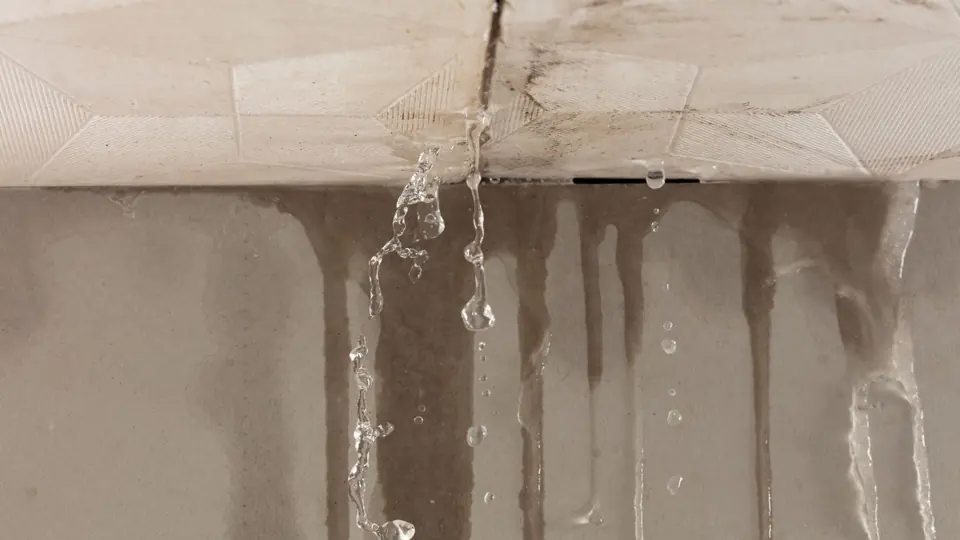
Most roof leaks are small. A cracked pipe boot, a lifted shingle, a nail that backed out or a failed seal around a chimney lets in a thin stream. That water runs down the underside of the sheathing until it meets a framing member and drops.
Wind-driven rain pushes water uphill under shingles, and a melting ice dam pushes meltwater under them. In both cases the roof deck can be soaked well before a drop reaches your ceiling.
Attic and Insulation Checks
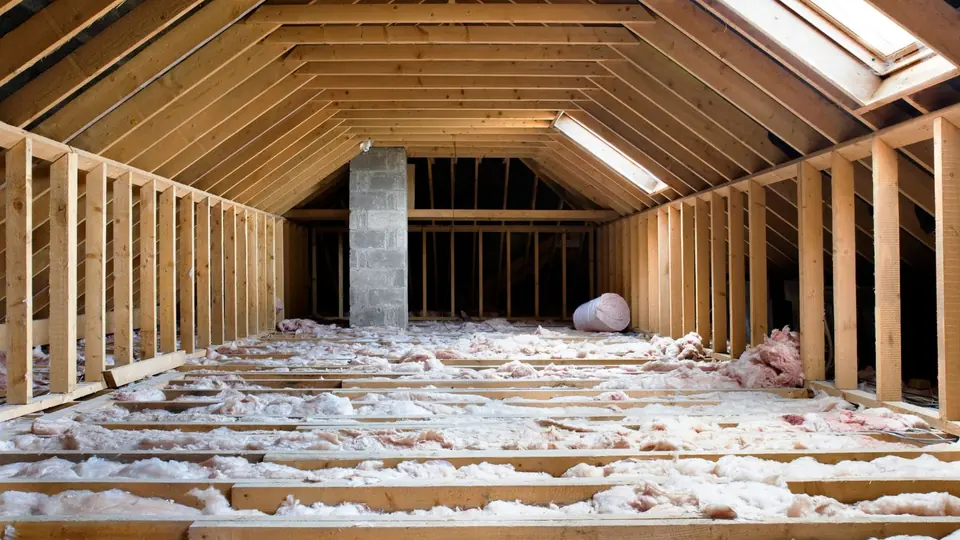
Insulation is the first thing to soak. Wet batts lose most of their value and hold water against the ceiling board. Blown-in insulation clumps and is hard to dry in place.
A crew looks at the attic with a flashlight, a moisture meter and a thermal camera. Dark staining on sheathing, rusted nails and compressed insulation show where water has been entering over time.
Never walk on a roof covered with snow or ice to look for the leak. Use binoculars from the ground and call a roofer for the repair.
Safety Steps: Right Away
- Move people, pets and valuables out from under any bulge or drip in the ceiling.
- Place a bucket under the drip and poke a small hole in a bulging ceiling to drain it, standing to the side, only if it is safe.
- Turn off power at the breaker to rooms with wet light fixtures or outlets.
- Photograph the stain, the attic and the roof from the ground.
- Call a roofer for a temporary cover and call us to dry the interior.
A sagging ceiling can fall without warning. If you see a large bulge, stay out of the room.
What Crews Do Below the Leak
Protect
Furniture and floors are covered, and belongings are moved so the work area is clear.
Open and inspect
The wet ceiling section is opened so the cavity and insulation can be seen and measured.
Remove what cannot dry
Board and insulation that stayed saturated are removed and bagged.
Dry the cavity
Air movers and dehumidifiers run with daily readings until the framing and the ceiling plane match dry reference material.
We follow ANSI/IICRC S500 as an industry reference. The roof repair is a separate trade, and we plan drying so it does not start before the roof is covered.
Ceiling stained or sagging?
Stay out from under it and call. We dry the interior while a roofer handles the roof.
Call (385) 988-9410What Changes the Cost
- How long the leak went unnoticed
- How much insulation and board must be removed
- Whether water reached walls, flooring or the floor below
- The size of the dry-out area and the days of equipment
- Ceiling height and attic access
Insurance and Roof Leaks
The Utah Insurance Department's home claims page lists wind and wind-driven rain among typical covered perils. It also says interior storm water damage is generally not covered when the roof and walls are undamaged. That distinction makes it important to document how the water entered.
Call your insurer, take dated photos and keep receipts for temporary repairs. Do not make permanent repairs before the insurer inspects.
Prevention and Common Mistakes
- Clear gutters and downspouts before storms and before snowmelt
- Have a roofer check flashing, vents and valleys after hail or high wind
- Seal ceiling penetrations so warm air does not reach the attic
- Do not paint over a stain until the cause is fixed and the board is dry
- Do not ignore a stain that grows after a storm
For related steps, see storm water damage cleanup and wall and drywall water damage repair. We also help homes in Eagle Mountain and Saratoga Springs, where wide open roofs take the full force of the wind.
Common Questions
Yes. The line is staffed 24/7 and a same-day visit is offered when crews are free. We cannot promise when a crew will arrive.
No. A roofer fixes the roof. We dry and remove wet material inside and can coordinate timing.
Water runs along rafters and sheathing before it drops, so the stain can be many feet from the opening.
Sometimes, if it is dry on top and was wet only briefly. Insulation that stayed saturated is usually removed.
It depends on the cause and the policy. Ask your insurer about wind, hail and sudden damage and keep photos and receipts.