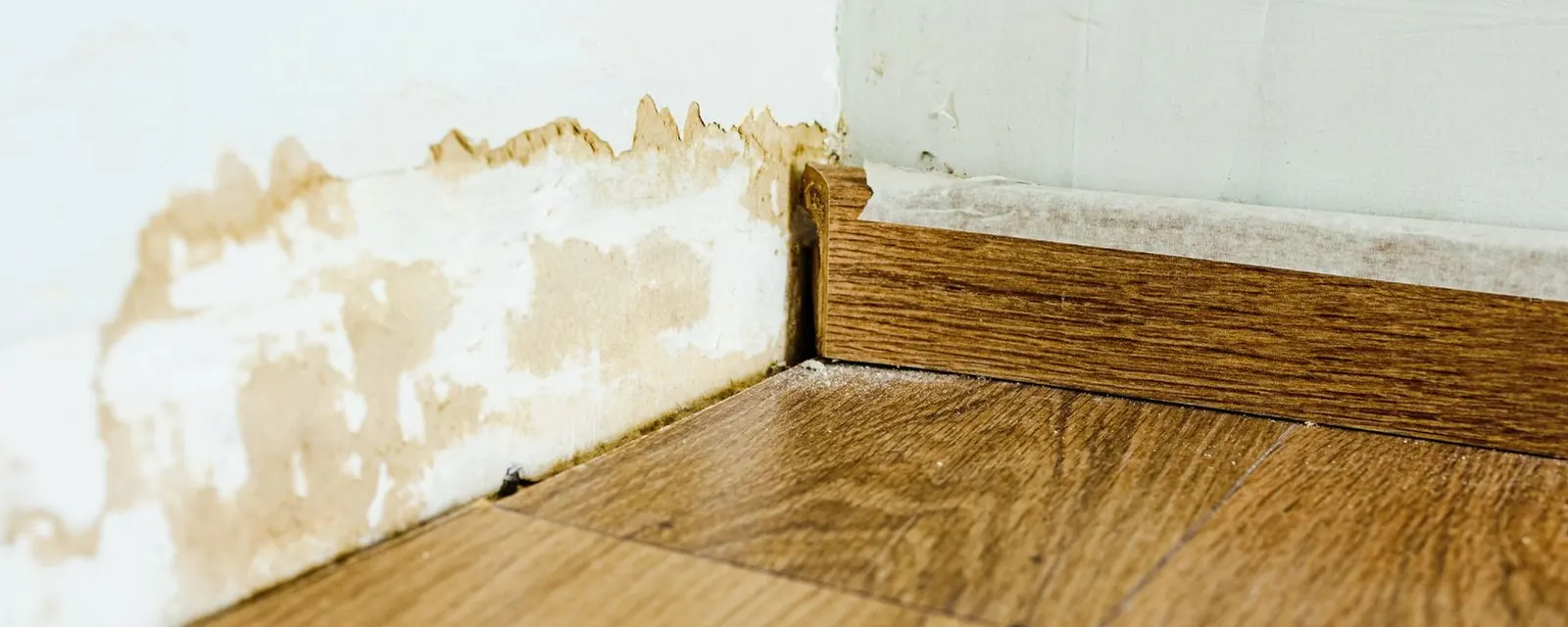
Walls, Mold and Older Houses
The EPA says that in most cases mold will not grow if wet or damp items are dried within 24 to 48 hours. It also says drywall may be dried in place if there is no obvious swelling and the seams are intact, and that the wall cavity is the hardest area to dry.
Utah's Division of Air Quality says an asbestos inspection is no longer required before renovation for residential buildings of four or fewer units built on or after January 1, 1992, which means older homes still need care before walls are opened.
The EPA's lead renovation rule applies to paid work that disturbs painted surfaces in homes built before 1978. If your home or trim predates 1978, ask whether it applies.
Sources: EPA mold course and flood guidance (federal), Utah Division of Air Quality asbestos program (state agency), EPA lead renovation rule page (federal).
Signs Your Drywall Is Wet
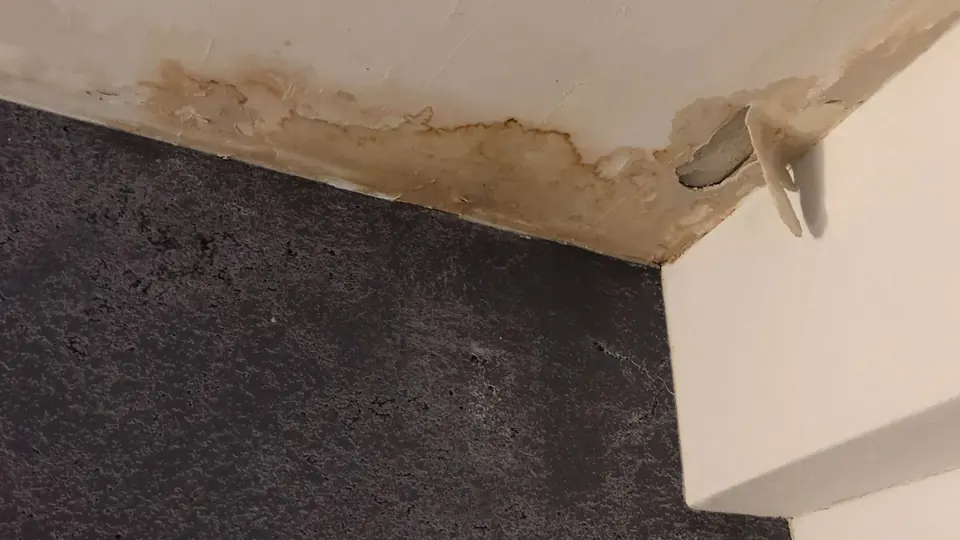
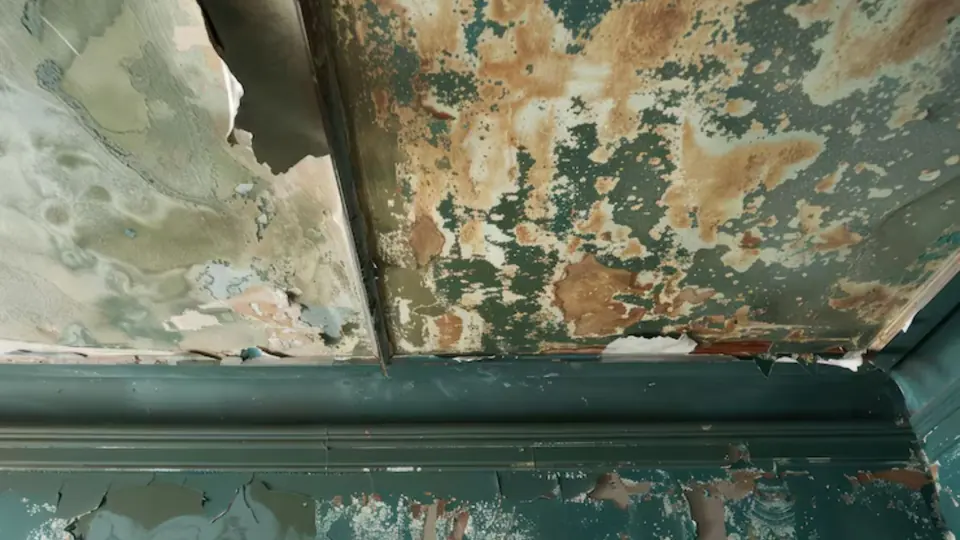
- Bubbling or peeling paint
- A soft or crumbling spot when pressed
- A stain that grows or returns after painting
- A musty smell inside a room
- Baseboards that swell or pull from the wall
A stain does not tell you how much of the wall is wet. A moisture meter and a thermal camera show where water traveled inside the cavity.
Safety Steps: The First Hour With a Wet Wall
- Stop the source of water.
- Turn off power to any outlet or switch on a wet wall.
- Keep people clear of a bulging wall or ceiling.
- Do not drill or cut a wall you suspect contains wiring.
- Take photos and call.
Flood Cuts and Wet Insulation
A flood cut is a straight cut across a wall, usually a foot or two above the water line, so wet board and insulation can come out. FEMA's mold brochure says to remove wet wallboard to a foot above the water mark and to remove all wet insulation except rigid foam.
The EPA says cellulose and fiberglass insulation may have to be discarded. Cutting below the water mark lets the cavity open to air so framing can dry.
Test
Moisture readings show how far water traveled up and across the wall.
Cut
Wet board and insulation are cut out along clean lines.
Dry
Air movers and dehumidifiers run with daily readings on the framing.
Hand off
When readings match dry reference material, the wall is ready for new board.
The published ANSI/IICRC S500 standard is the reference for drying wall cavities. Rebuilding is finish carpentry, taping and painting.
Finishing the Repaired Wall
New board is hung, taped and finished in coats, with sanding between them. The repair is primed so paint does not flash. Painting the full wall from corner to corner hides the patch better than touching up one area.
Textured walls need a texture match, which takes a test patch. Allow drying time between coats, since rushing traps moisture.
Wall soft, bubbled or stained?
Call before you paint. A meter shows how far the water traveled.
Call (385) 988-9410What Changes the Cost
- How high the water wicked up the wall
- How many rooms and how many feet of wall are affected
- Whether insulation is wet
- Baseboards, cabinets or trim that must come off
- Days of drying and the finish work after
Insurance and Drywall Damage
Insurers often ask whether the leak was sudden. Photos of the wet wall, the cut, the meter readings and the dry result all help. Keep invoices from the plumber and from the drying crew.
The Utah Insurance Department advises avoiding permanent repairs before the insurer inspects, so ask before closing the wall.
Mistakes to Avoid
- Do not paint over a stain
- Do not close a wall that has not been read dry
- Do not use a heat gun on wet board
- Do not disturb old texture or joint compound in an older home without checking asbestos rules
- Do not skip primer on a repaired area
See water damage repair for the full rebuild order and roof leak water damage for ceilings. We serve Draper and Saratoga Springs with the same method.
Common Questions
Yes. Someone is on the line at all hours, and a same-day visit is offered when a crew is free. No arrival time is promised.
Sometimes, if it is not swollen and the seams are intact. Readings decide.
A foot or two above the water line is common, with readings guiding the height.
Our focus is drying and removal. Hanging, taping and painting are finish trades, and we explain the next steps.
Water is still in the wall. Paint hides the stain but traps the moisture.