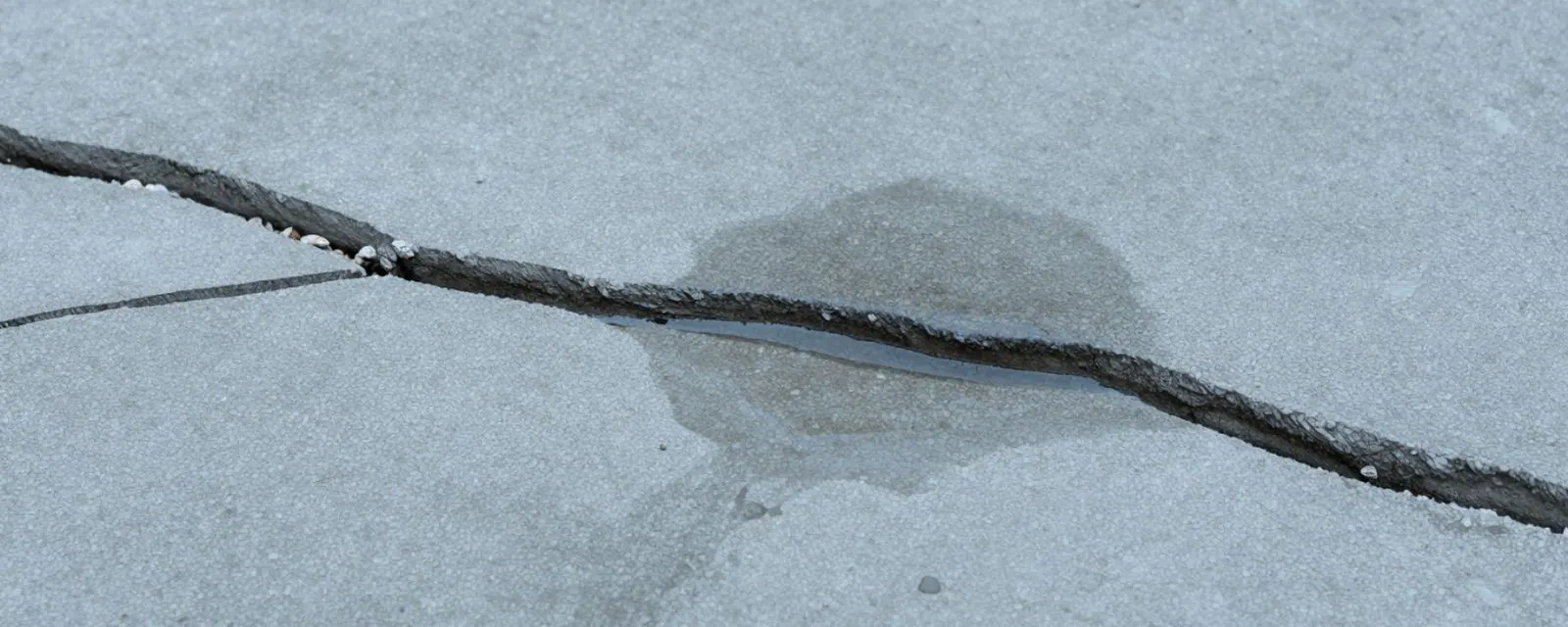
How Common Is a Slab Leak in Lehi?
Honestly, we could not find a source for how many Lehi homes are built on slabs rather than basements, and the Census data does not break out foundation types. Many homes here have basements, so for most callers the cause is a pipe, an appliance or a storm, and those pages come first.
Slab-on-grade sections still exist in garages, additions, some townhomes and older ranch homes. The Utah Geological Survey notes that shallow groundwater and saturated soils are features of many Wasatch Front valleys, which can add to the movement and moisture around a foundation.
The EPA's WaterSense program describes a simple check for a hidden leak. Read the water meter with every fixture off, then read it again two hours later. If the number changed, water is leaving the system, and a slab line is one of the possible places.
Sources: Utah Geological Survey Public Information Series 28 and 100 (state agency), EPA WaterSense home maintenance page (federal).
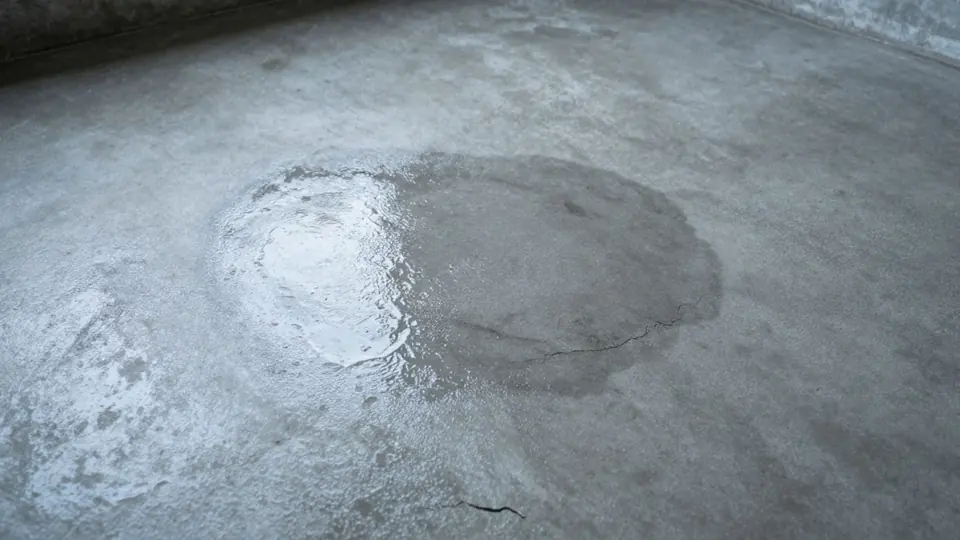
Signs of a Leak Under the Slab
| Sign | What it can mean |
|---|---|
| A warm spot on a floor | A hot line under the slab is leaking |
| The sound of running water with taps off | Pressurized water is escaping somewhere |
| A water meter that moves with everything off | A line has a leak, inside or outside |
| Damp or lifting flooring | Water is coming up through the slab |
| Baseboard that stains from the bottom | Water is wicking into the wall from the floor |
These signs are clues. A plumber with leak detection equipment confirms the location.
Safety Steps: The First Hour With a Suspected Slab Leak
- Shut off the main water valve and see whether the meter stops.
- Keep power off in any room where water is on the floor or near outlets.
- Do not break into the slab yourself.
- Take photos of damp areas, stains and any meter readings.
- Call a plumber with leak detection tools and call us for water removal and drying.
If the leak is on the hot side, hot water can be a scald risk. Stay clear of wet floors that feel warm.
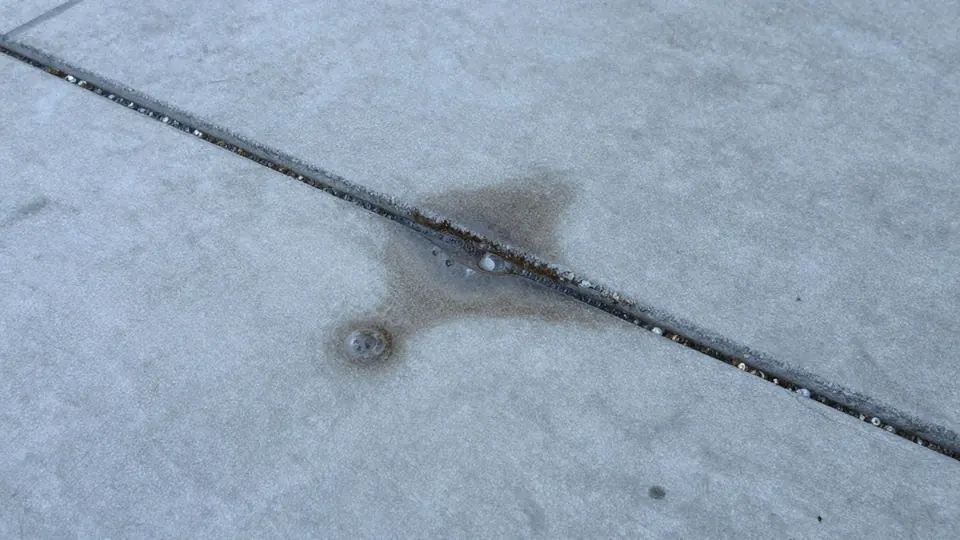
How Slab Water Is Dried
Concrete holds water and gives it up slowly, so a slab can stay damp long after the surface looks dry. Flooring over a slab, such as laminate, hardwood or carpet, traps that moisture and can swell or grow mold.
A crew lifts the flooring where needed, removes wet pad, and sets air movers and dehumidifiers. Meter readings on the slab and nearby walls are logged until they match dry reference material.
Extract
Surface water is removed so drying equipment is not working on standing water.
Open the floor
Flooring that traps moisture over the slab is lifted when it cannot dry in place.
Dry
Air movers and dehumidifiers pull moisture out of the slab and nearby walls.
Verify
Readings on the slab and walls are logged and compared with dry reference material.
For concrete and flooring, the published ANSI/IICRC S500 standard is the reference for drying goals. The slab leak itself is repaired by a plumber, and drying should not be finished until the line has been fixed.
Meter spinning with every tap off?
Close the main and call. We handle water removal and drying once a plumber finds the line.
Call (385) 988-9410What Changes the Cost
- How long the leak ran before it was found
- The flooring type and whether it must be removed
- Whether walls and cabinets wicked up water
- Hot or cold line and the volume of water
- Days of drying and the number of visits
Insurance and Slab Leaks
Policies treat slab leaks differently. Some cover the resulting water damage but not the cost to reach the pipe, and some exclude damage from leaks that go on for a long time. Ask your insurer which applies.
Keep the plumber's report, photos and receipts. A written location of the leak helps the adjuster understand the cause.
Mistakes to Avoid and Prevention
- Do not install new flooring over a damp slab
- Do not ignore a meter that keeps moving
- Do not run a hot water line that you suspect is leaking for long
- Test the main shutoff yearly so it works when needed
- Keep an eye on water bills for sudden jumps
If the water in your home came from a basement or yard instead, read flood damage restoration or crawl space water damage. We also help in American Fork and Draper.
Common Questions
Yes. Dispatch is staffed day and night, and a same-day crew is possible when one is free. We cannot name an arrival time.
A plumber with leak detection equipment locates and repairs the line. We handle the water and the drying.
We could not confirm how many Lehi homes are on slabs. Garages, additions and some slab homes exist, and many other homes have basements, so check the other causes too.
Wet flooring, pad and baseboard over a slab can grow mold if left damp, which is why drying and readings matter.
Yes. Closing the main valve stops the flow and helps you see whether the meter stops.