Wood Floors and Dry Air in Lehi
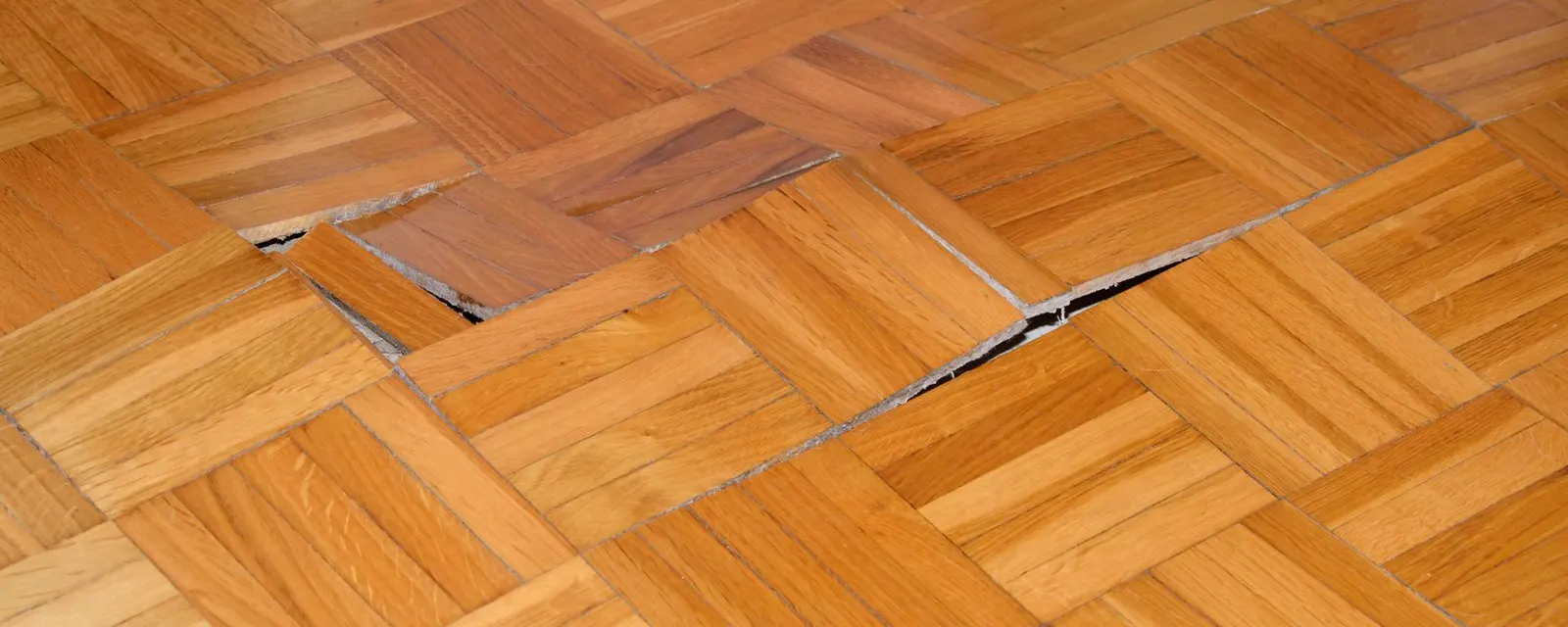
Wood floors move with moisture. The USDA Forest Products Laboratory says wood that loses moisture after installation shrinks and cracks open between boards, and that a significant increase in moisture content swells wood and can buckle a floor. That publication is from 1980, and its recommended 8 percent moisture content is for the central and eastern United States.
Utah winters are dry indoors with a furnace running. The EPA suggests indoor humidity below 60 percent and ideally between 30 and 50 percent, a range that also helps wood floors stay stable.
The EPA's lead renovation, repair and painting rule applies to paid work that disturbs painted surfaces in homes built before 1978, which matters for baseboards and trim around an older floor.
Sources: USDA Forest Products Laboratory (federal), EPA mold and moisture guide (federal), EPA lead renovation rule page (federal).
Cupping, Crowning and Buckling
| Shape | What happened |
|---|---|
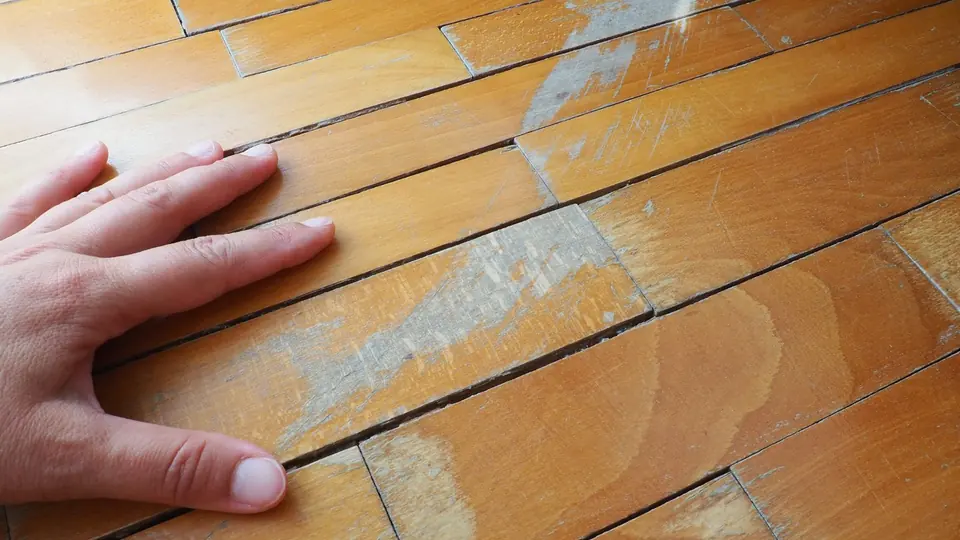
| Cupping, edges higher than the center | The bottom of the board took on more moisture than the top |
| Crowning, center higher than the edges | A cupped floor was sanded flat, then dried, or the top took on more moisture |
| Gaps between boards | The wood dried and shrank |
| Buckling, boards lifting off the subfloor | A major moisture event lifted the floor |
Cupping often appears days after the water. A crew measures before deciding.
A floor that is cupped is not always ruined. Many floors flatten as they dry. The key is not to sand or refinish until the wood and the subfloor are dry.
Safety Steps: The First Hour After Water on Wood
- Stop the source of water.
- Mop or vacuum standing water with a wet-dry vacuum.
- Turn off power to the room if water reached outlets.
- Lift rugs and furniture and put foil or blocks under legs.
- Do not put heat on the floor, because rapid drying can crack boards.
Drying Hardwood Versus Replacing It
A crew drains the water, then measures the boards and the subfloor with a moisture meter. Special mats and panels pull moisture out through the top while dehumidifiers dry the air. This can take days, and the floor may be monitored for a week or more.
If the boards are glued to concrete, nailed over a wet pad or have cupped severely, replacement may be the more realistic answer. The crew shows you readings so the decision is based on numbers.
Extract
Standing water is removed from the surface.
Measure
Moisture readings are taken in boards, subfloor and nearby walls.
Dry
Drying mats or panels and dehumidifiers run with daily readings.
Decide
When readings stop falling, you decide whether to sand and refinish or replace.
ANSI/IICRC S500 is the published reference for drying goals, and wood floors are no exception. Refinishing and replacement are flooring trades, and we hand over a dry floor with a record.
Boards starting to lift or cup?
Call before sanding or sealing. Readings tell you whether the floor can be dried.
Call (385) 988-9410What Changes the Cost
- The size of the floor and how many boards are wet
- Whether the floor is solid or engineered
- How long the water sat
- Whether the subfloor or slab is wet
- Equipment days and the number of check visits
Insurance and Wood Floors
Policies often pay for damage from a sudden leak and not for gradual seepage. Ask whether your policy covers matching a floor that runs through several rooms.
Keep a record of the floor type, age and installation, plus photos before and after the leak.
Mistakes to Avoid
- Do not sand a wet or cupped floor
- Do not seal moisture in with a new finish
- Do not use heat guns or high heat to dry the boards
- Do not leave a wet rug or mat sitting on wood
- Do not install new wood over a wet subfloor
Related pages: kitchen water damage restoration and water damage cleanup. We help homes in Pleasant Grove and Eagle Mountain.
Common Questions
Yes. The line is open day and night, and a same-day visit is possible when crews are free. We cannot promise an arrival time.
Often it does as it dries, but only if the source is stopped and the subfloor is dry. Do not refinish until readings are steady.
Sometimes. Engineered boards can delaminate, so readings and inspection decide.
It can take days to weeks depending on the water and the floor.
No. We dry the floor and document it. Refinishing is a flooring trade.